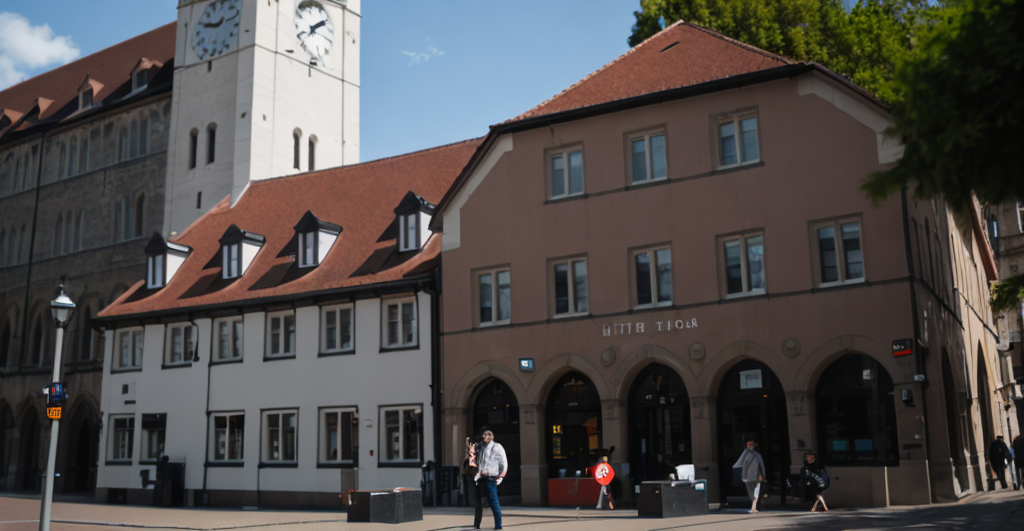
Erleben Sie echte, herzliche Gastfreundschaft im Herzen von Lindau in unserem charmanten Hotel. Entdecken Sie Komfort, Tradition und außergewöhnlichen Service, während Sie die malerische Lage am Bodensee und die bezaubernde historische Altstadt nur wenige Minuten entfernt erkunden.
Erleben Sie einen unvergesslichen Aufenthalt im Hotel Gasthof Stift, wo sich Generationen von Gastfreundschaft und Tradition vereinen. Mit unserer unübertroffenen 35-jährigen Erfahrung wissen wir, wie wir Ihren Aufenthalt zu etwas ganz Besonderem machen können.
Entfliehen Sie der geschäftigen Atmosphäre von Lindau und finden Sie Ruhe in unseren durchdacht gestalteten Zimmern. Die perfekte Mischung aus modernem Komfort und rustikalem Charme, jedes Zimmer wurde sorgfältig gestaltet, um die höchsten Standards zu übertreffen.
Gönnen Sie sich eine kulinarische Reise in unserem Restaurant, wo Sie köstliche Gerichte genießen können, die sowohl regionale Spezialitäten als auch internationale Geschmacksrichtungen präsentieren. Das warme und einladende Ambiente schafft den perfekten Rahmen für ein unvergessliches Esserlebnis. Begleiten Sie Ihre Mahlzeit mit einer sorgfältig zusammengestellten Weinauswahl, die einen Hauch von Eleganz verleiht.
Die Lage unseres Hotels ist absolut ideal. Nur einen Katzensprung von der charmanten Lindauer Altstadt entfernt, befinden Sie sich mitten im Zentrum des Geschehens. Die geschichtsträchtige Insel besticht durch ihre bezaubernden Gässchen, die reizvollen Geschäfte und die wunderbaren gastronomischen Angebote – ein Muss für jeden Besucher.
Unser Standort bietet einen bequemen Zugang zum Bodensee, wo Sie eine Reihe von Aktivitäten wie Bootsfahrten, Wassersport und Radfahren genießen können. Die atemberaubenden Alpen in der Ferne dienen als atemberaubende Kulisse für Ihren Aufenthalt.
Gönnen Sie sich einen Moment der Entspannung und entfliehen Sie den Anforderungen des Alltags in unserem Wellnessbereich. Genießen Sie die wohltuende Wirkung unserer Sauna, des Dampfbads und des Whirlpools und kommen Sie so richtig zur Ruhe.
Unser Team ist rund um die Uhr für Sie da, um Sie freundlich und aufmerksam zu betreuen und Ihnen Tipps und Empfehlungen zu geben, damit Ihr Aufenthalt in Lindau wirklich unvergesslich wird.
Wir freuen uns, Sie als unseren Gast im Hotel Gasthof Stift begrüßen zu dürfen. Wir möchten Ihren Aufenthalt in Lindau zu einem unvergesslichen Erlebnis machen.